EMDR Therapy in London and Grand Bend, Ontario & Online Across Ontario and Canada
In-Person EMDR Therapy in London and Grand Bend
+ Virtual EMDR Therapy Across Ontario and Canada


We provide EMDR therapy in London and Grand Bend, Ontario, offering both in-person sessions and secure online therapy to clients across Ontario and throughout Canada.
We work with adults experiencing trauma, anxiety, and overwhelming life experiences, including first responders and veterans seeking specialized, trauma-informed care.
📍 In-Person EMDR Therapy in London and Grand Bend, Ontario
We provide in-person EMDR therapy for adults in London, Ontario and Grand Bend, Ontario, offering a supportive and focused space for trauma-informed care.
In London, appointments are available on Wednesdays and Thursdays, allowing for consistent, dedicated in-person sessions. In-person therapy is also offered in Grand Bend on Mondays, our office is located inside Purity Salt Cave & Healing Spa.
Online EMDR Therapy Across Ontario and Canada
We offer online EMDR therapy through secure video sessions, allowing you to access support from the comfort and privacy of your home, making it easy to access care wherever you are.
Online EMDR therapy is:
- Effective and research-supported
- Accessible anywhere in Ontario and across Canada
- Flexible for busy schedules
- Ideal for those who prefer therapy from home
Whether you live outside London or Grand Bend—or simply prefer virtual care—online EMDR therapy provides the same structured, supportive approach as in-person sessions.
How EMDR Can Help
EMDR therapy can support clients experiencing:
- Trauma and PTSD
- Anxiety and panic
- Depression
- Pain management
- Stress and burnout
- Grief and loss
- Difficult life transitions
Specialized Support for First Responders and Veterans
We have experience working with:
- Emergency responders
- Veterans
- Individuals exposed to high-stress or traumatic environments
EMDR therapy can help process critical incidents, reduce emotional distress, and restore a sense of control and safety.
What is EMDR Therapy?
EMDR (Eye Movement Desensitization and Reprocessing) is a structured, evidence-based psychotherapy that helps the brain process and integrate distressing memories.
Rather than talking through trauma repeatedly, EMDR works by helping the brain reprocess experiences so they no longer feel overwhelming.
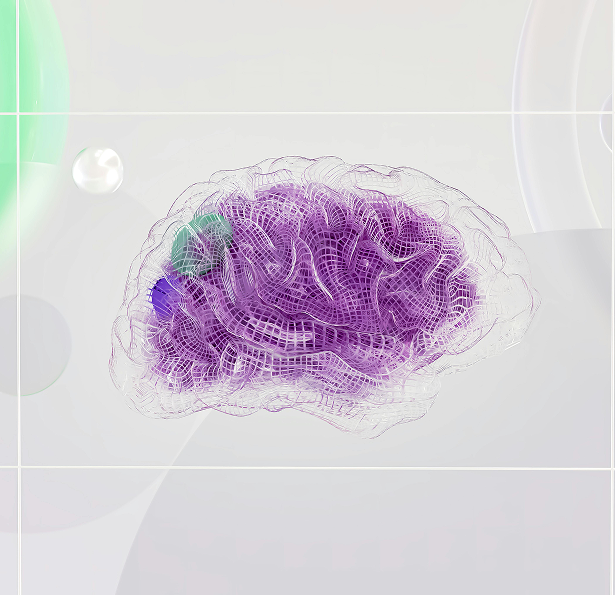

Courtesy of EMDR International Association
How EMDR Therapy Works
EMDR therapy follows a structured approach that includes:
- Identifying distressing experiences
- Processing memories using bilateral stimulation
- Reducing emotional intensity
- Strengthening adaptive beliefs
This process allows the nervous system to resolve unresolved experiences safely and effectively.
What to Expect in EMDR Therapy
EMDR typically follows an eight-phase treatment process. While the pace is tailored to your readiness and comfort, here’s a general idea of what to expect:
- History Taking and Treatment Planning: In the initial phase of EMDR therapy, which usually lasts 1-2 sessions, your therapist will take a thorough history and will create a treatment plan. An interesting aspect of EMDR is that you don’t have to discuss your disturbing memories in detail.
- Preparation: In this phase, usually 1-4 sessions (more sessions may be necessary for clients with complex traumas or certain diagnoses), you will learn techniques to handle emotional disturbances. Your therapist will explain EMDR, what to expect, and teach you relaxation techniques to manage emotions during and after sessions. This phase aims to equip you with tools for self-care, helping you manage stress and support your well-being.
- Assessment: You will select an image or mental picture associated with the event or memory, identify a negative belief, and choose a positive belief to adopt. The goal is to decrease disturbance and strengthen positive beliefs through reprocessing.
- Desensitization: Your therapist will guide you through eye movements, sounds, or taps helping you achieve complete resolution of the target memory.
- Installation: In this phase, the focus is on strengthening your positive belief to replace the negative one. For instance, if you started with “I am powerless,” you’ll work to embrace “I have choices now”.
- Body Scan: In this phase, your therapist will ask you to recall the original event to check for any remaining body tension. If tension is present, these sensations are reprocessed.
- Closure: End each treatment session feeling better than when you started. If the traumatic event isn’t fully processed in one session, your therapist will help you use self-calming techniques to regain balance.
- Reevaluation: Each session will begin with a reevaluation. This phase is crucial for assessing long-term success. While you may feel immediate relief with EMDR, completing all eight phases is as important as finishing a full course of antibiotics.
EMDR sessions are always grounded in safety and consent, you are in control and can signal your therapist to stop at any time.
Our Approach to EMDR Therapy
At Maribel Ayala Psychotherapy and Consulting, EMDR therapy is a core part of our trauma-informed practice. Maribel is an EMDR Certified Therapist™ and EMDRIA Approved Consultant™ with advanced trainings in a wide range of EMDR protocols, in addition to EMDR 2.0 -an enhanced version of EMDR, EMDR for First Responders and Military, the Recent Traumatic Episode Protocol (R-TEP), Group Traumatic Episode Protocol (G-TEP), and EMDR with Ego State Therapy, among others. This depth of expertise allows us to adapt EMDR to suit a variety of client needs and presenting concerns.
Our approach is relational, culturally responsive, and body-aware. We integrate EMDR with somatic, narrative, and attachment-based therapies to support healing on both a neurological and emotional level. Whether you’re processing a single traumatic event or working through layers of complex trauma, we offer a grounded and collaborative environment where your experience is respected and your pace is honoured.
Frequently Asked Questions
How long does EMDR therapy take?
The length of therapy varies depending on your goals and experiences. Some clients notice improvement within a few sessions, while others benefit from longer-term work.
Do I need a referral?
No, you can book directly without a referral.
Is EMDR therapy covered by insurance in Canada?
Many extended health benefits plans cover psychotherapy services. Check with your provider for details.
Can I do EMDR therapy online in Ontario?
Yes. We offer secure online EMDR therapy across Ontario and throughout Canada.

 imunify-bot-check